The Payphone and the Coffee Stand
Communicative space is a forgotten remedy
To Fred Turner, time traveler
Volver
I crossed that street almost every morning from 1990 to 1994. The gate behind the bus stop is the entrance to the Hospital de Emergencias Psiquiátricas Torcuato de Alvear, a public mental health facility located in La Paternal, a working-class neighborhood in Buenos Aires. During those years, I did my residency training in clinical psychology at the hospital. I left the country immediately after concluding the residency to pursue a doctorate in science and technology studies at Cornell University in the United States. Then, for almost three decades, I turned my professional attention to media and society. But a few years ago, I decided to connect my first and second careers through an ethnographic study of how and why mental health professionals in Argentina use—or don’t use—digital technology in their work practices.
I took this picture (left) during my fieldwork for the project, just as I was about to enter the hospital for the first time in twenty-nine years.1 To say that it was a momentous experience is an understatement.
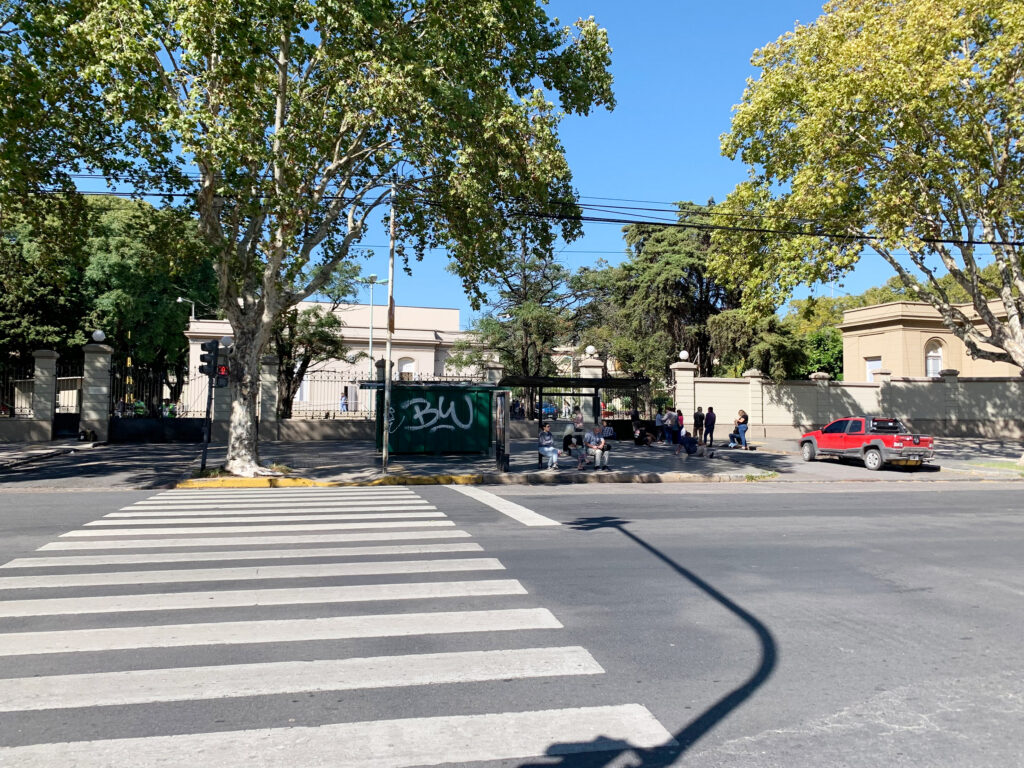
Entrance to the Hospital de Emergencias Psiquiátricas Torcuato de Alvear.
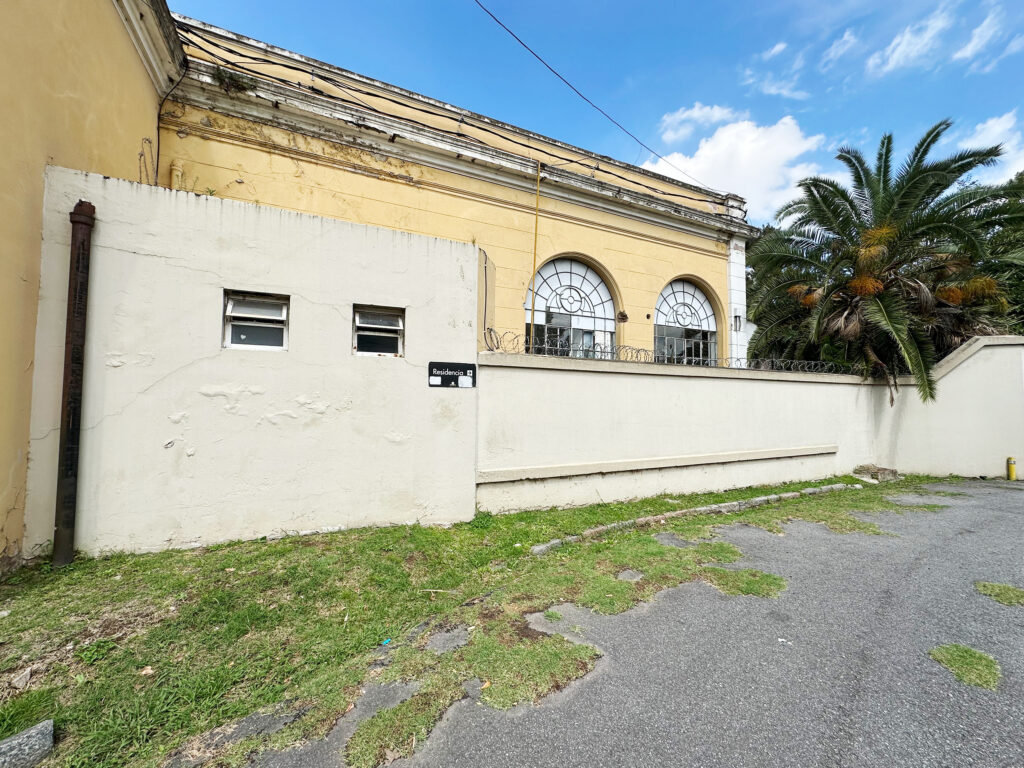
Walkway to the residency offices.
When I stepped into the hospital grounds and walked along the walkway to the shack that housed the residency office, I felt like I was going back in time. It seemed like yesterday that I closed the office door and walked those fifty meters one last time before leaving for the States. I felt a disjuncture between the unchanged space and the changed self that ended up being both personally disconcerting and intellectually generative.
My host for the day, a former supervisor who has since become one of the longest-serving psychiatrists at the hospital, guided me through different units. In several administrative offices, it appeared that, even in our age of mobile devices, social media, and generative artificial intelligence, paper was still a dominant medium of communication and record-keeping. Some of the consultation rooms looked almost identical to the ones where I saw patients back in the early 1990s. For a moment, past and present fused, and I found myself experiencing again the world I had once inhabited.
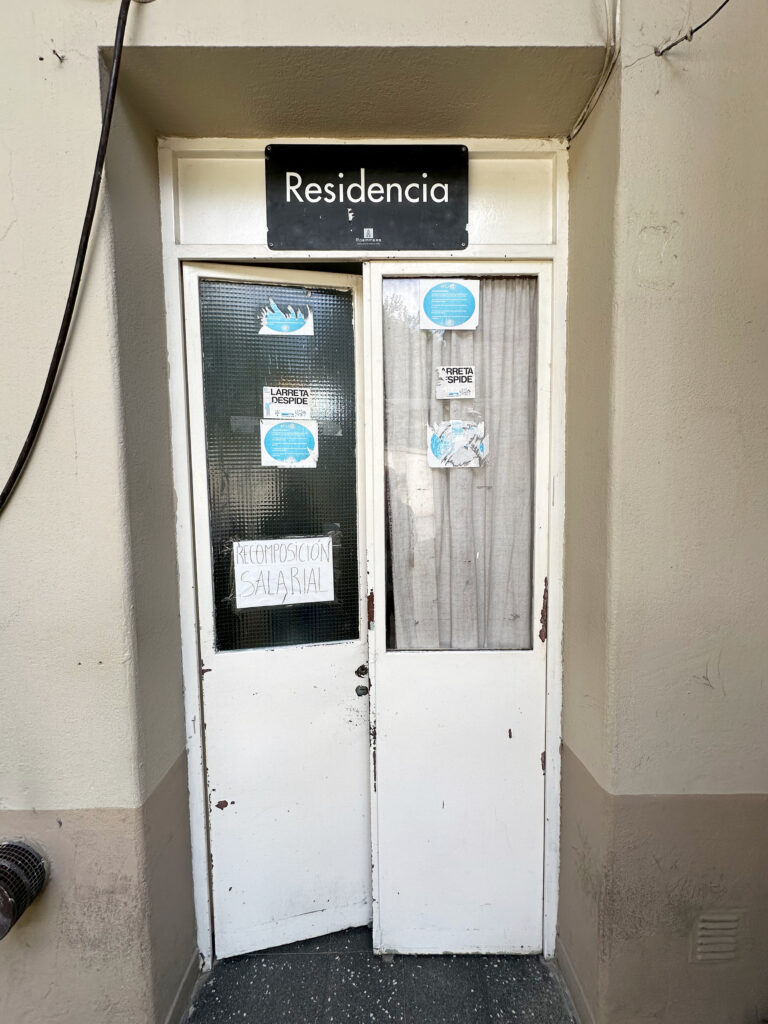
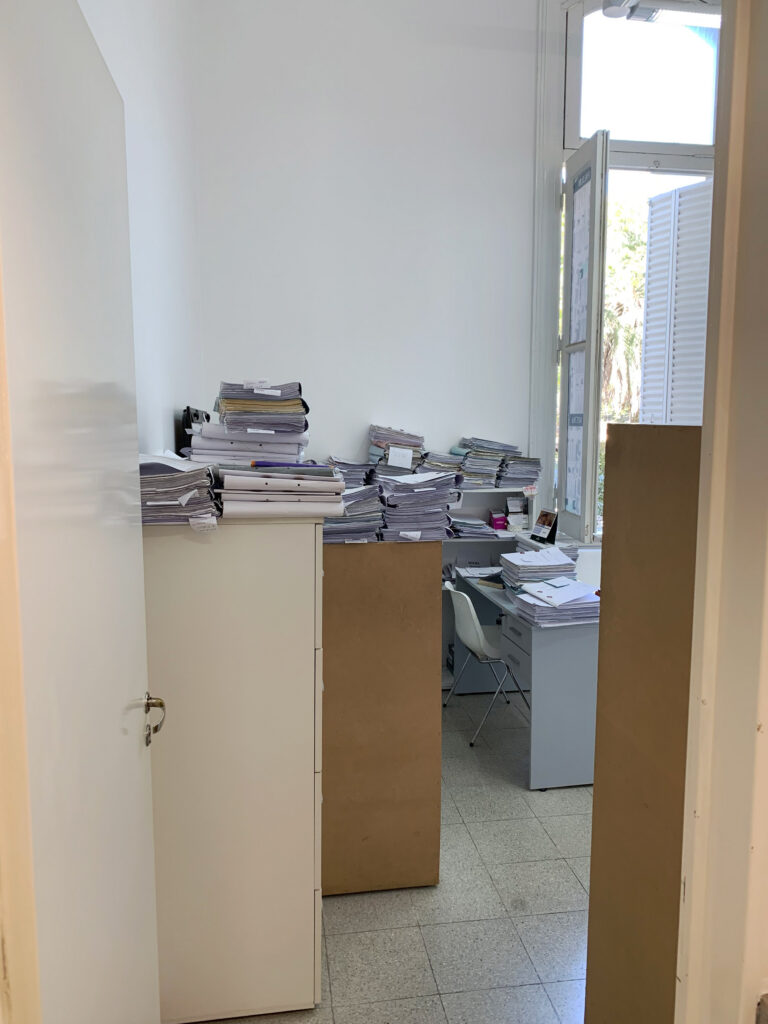
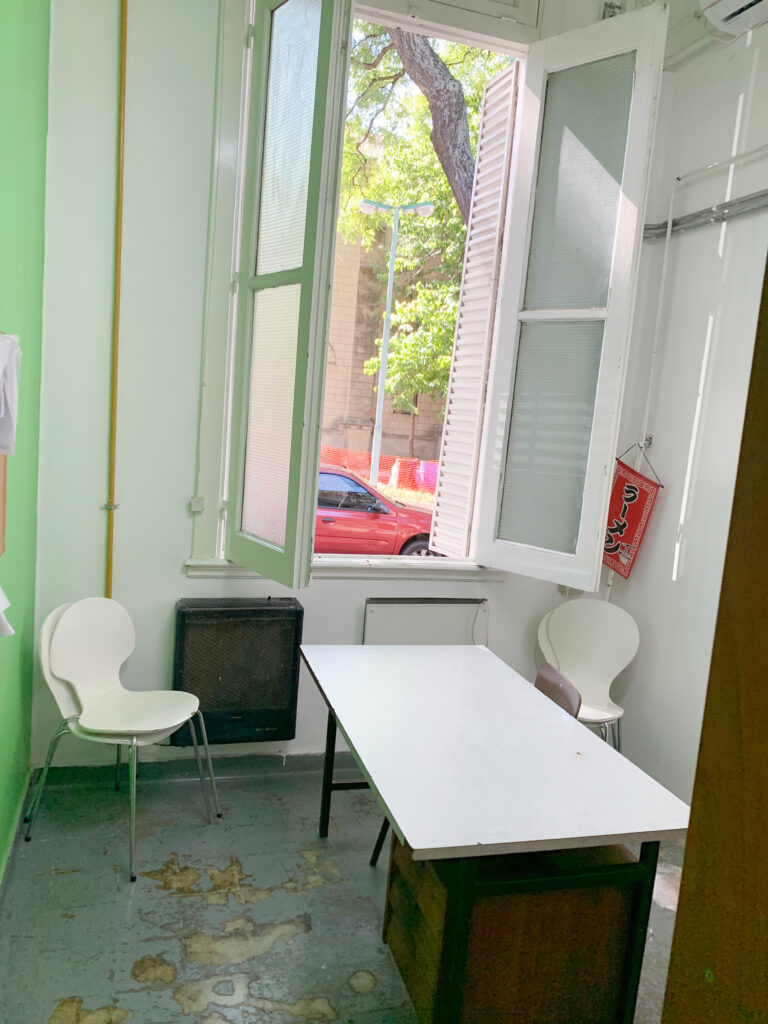
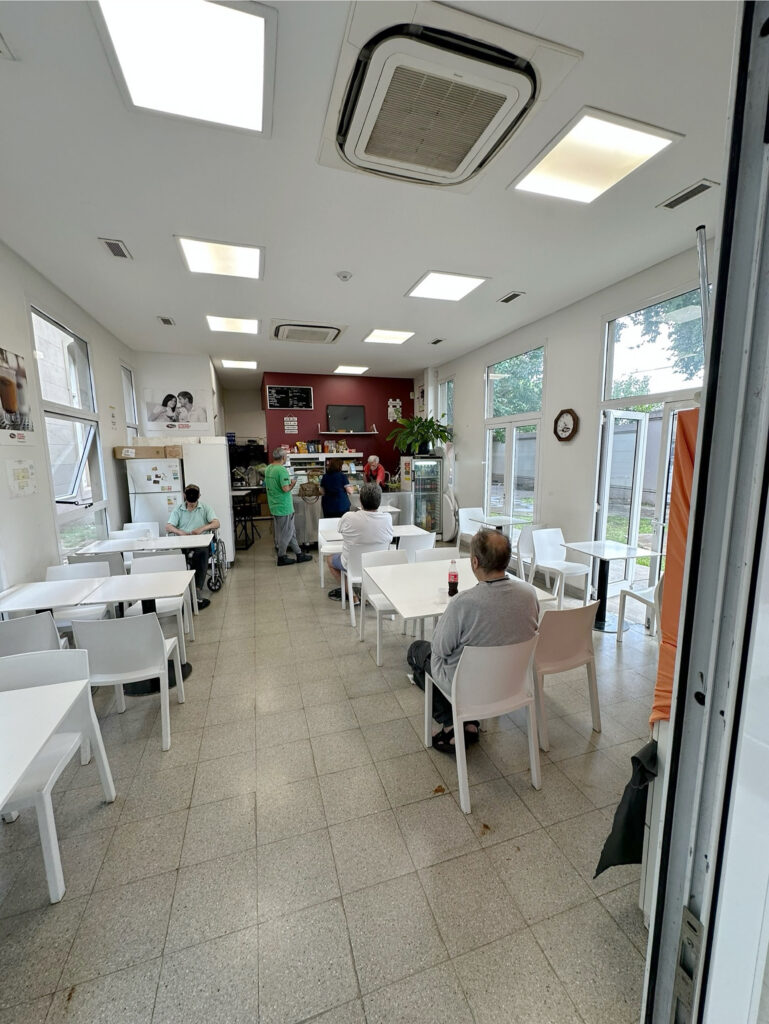
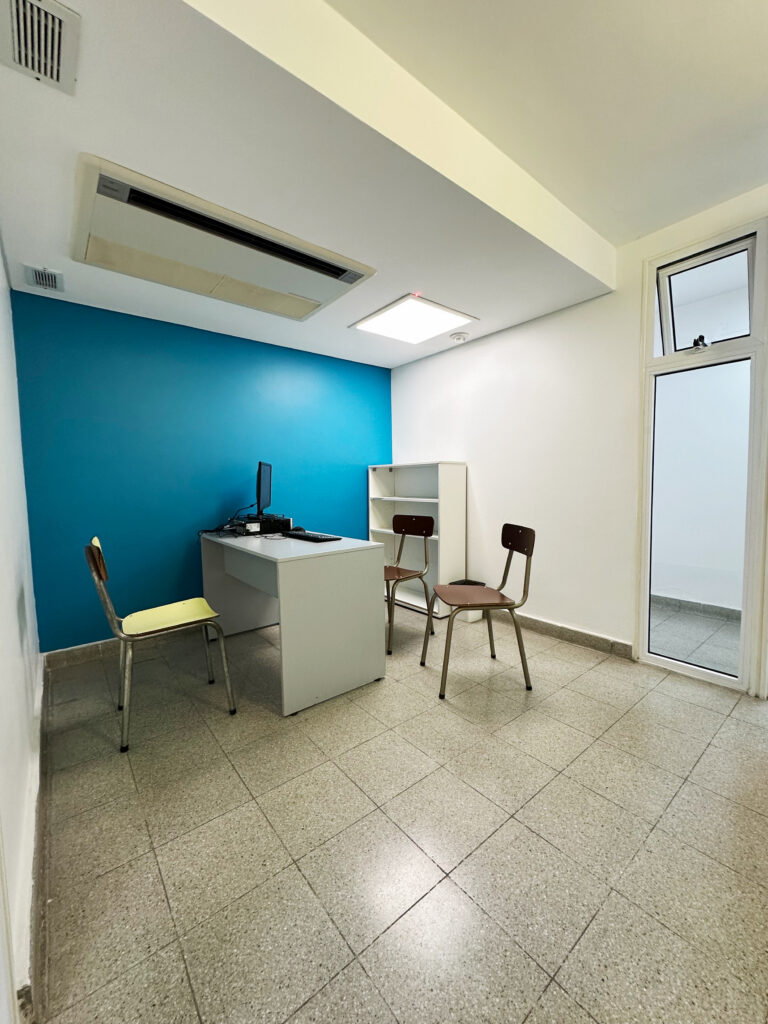
But not everything had stayed the same. Newer spaces such as outpatient consultation rooms and an indoor cafeteria brought me back to a present populated with desktop computers, wireless devices, plasma television sets, air-conditioning, fresh paint, and modern furniture. The coexistence of material cultures from two different historical periods in one place reminds us that the contemporary landscape—of which digital platforms are a powerful symbol—is not inevitable.
Re-Conocer
Perhaps nowhere was the presence of the past more evident than in the proximity of the new indoor cafeteria and a nonfunctioning payphone less than twenty meters away. When I did my training, the payphone was the epicenter of social life in the hospital. Since no professional, staff, patient, or family member had mobile devices, it was the lifeline to the outside world. And, it was adjacent to a small outdoor coffee stand where people gathered for cheap coffee and tasty pastries. While the payphone is still visible, the coffee stand exists only in the memories of those who were there, like me.
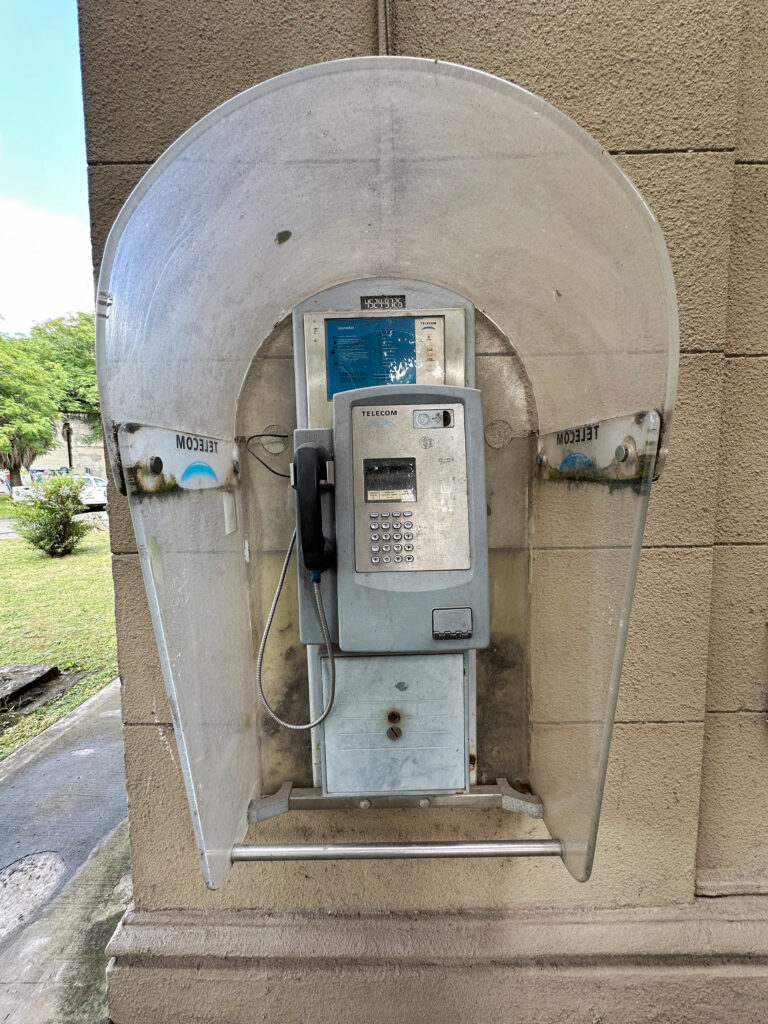
Together, the payphone and the coffee stand afforded communicative practices very different from those that take place on digital platforms. Highlighting the main areas of divergence helps us understand not only what platforms do not provide us, but also what we might be missing because of that void.
Whereas the payphone was a shared point of contact with the outside world, and the coffee stand gathered people around a communal area, today’s platforms orient people toward their personal devices and, often, their individual spaces. In the past, interactions were typically fleeting but focused. Nowadays, engagement with platforms is more often prolonged, but fragmented by multitasking. And, while the interactions around the payphone and the coffee stand were embodied and co-located, those that mark today’s platforms are typically disembodied and remote.
Back in my days at the hospital, communication with the outside world via the payphone was relatively limited—among other reasons, it was quite costly. That sense of relative scarcity also marked interactions around the coffee stand: professionals and staff were busy, and patients and significant others would stop by and hang out mostly between appointments.
Today, people remain just as busy, yet abundance characterizes both the amount of information that exists on the platforms and the manner in which we consume it—perhaps best illustrated by the practice of doomscrolling. In my own recollection, the more limited communication of the past seemed sufficient. By contrast, there is a sense today in which the bottomless pit of content and mediated interactions on digital platforms is never enough—which is, in part, why so many people post, react, and scroll incessantly.
Despite the relative scarcity, interactions around the payphone and the coffee stand made it a place of encounter, where a heterogenous collective would coalesce and disband uneventfully as part of the ebb and flow of everyday life. Today’s platforms have largely become places of misencounter, in which social life is increasingly characterized by individual angst and interpersonal acrimony.
Cuestionar
In reflecting on the contrasts between the communicative experiences of yesterday and today, the world of the payphone and the coffee stand must not be idealized. There were many shortcomings related to who had a say and what could be said. It was also, in many ways, a small world, despite how frantic and diverse it might have seemed at times. By today’s standards of global reach, temporal acceleration, multimodal expression, and cultural cosmopolitanism, the past looks mundane, quaint, even parochial.
And yet, even considering my uncurable proclivity for nostalgia, I cannot help reminiscing about those smaller, slower, simpler communicative practices that we experienced around the payphone and the coffee stand, within a world marked by less psychological pain and more hope. According to my informants for this ethnography as well as epidemiological data, in recent years there has been a significant increase in the number of people suffering from mental health problems, in the intensity of their suffering, and in the despair with which they assess their prognoses—despite considerable advances in psychotherapeutic and psychopharmacological theory and practice.2 Setting aside the debates about whether the abundance of digital platforms has played a role in this increase, the nexus of the payphone and the coffee stand reminds us of a time in which, borrowing from the lucid prose of Martín Caparrós, we had “so little … and it was so much.”3 ✳
- All photos by Pablo J. Boczkowski. ↩︎
- “Mental Illness,” National Institute of Mental Health, accessed on July 3, 2025, https://www.nimh.nih.gov/health/statistics/mental-illness. ↩︎
- Martín Caparrós, El Hambre (Planeta, 2014) 9, author’s translation. ↩︎